Sunday, January 13, 2013

Are You Really Studying Tai Chi and is it Effective for Stress?

1. What is Classical Tai Chi (Taiji)?
Only the Yang style will be discussed. However, similar types of training were used in other classical styles (Chen, Wu and Sun), since these were also internal forms of Kung Fu for health and self defense. These styles have also been altered and shortened.
The original (old) Yang Tai Chi form was devised by Yang Lu-Chan (1799 – 1872) and consisted of about 128 postures, not counting repetitions. It had both fast and slow movements in it. One of the purposes of the fast movements was to teach fa-jing, small, explosive movements to generate tremendous power in punches, kicks, etc., for self defense. The (new) long form, practiced by most Yang stylists today, was derived from the Yang Lo – Sim form by Yang Cheng – Fu (1883 – 1936). He removed the fast fa-jing moves, all leaping kicks and made slightly different moves the same. It has about 108 postures. To learn the original form properly took about 5 or 6 years.
Each move in the old form not only showed how to strike acupoints, but the proper direction for striking them, with devastating results. This could result in death of an adversary and was known as Dim Mak.
However, learning the form was not enough for combat and so the following two-person exercises are practiced to learn how to attack and counter. Martial Push Hands (Toi Sau), consisting of countering punches, strikes, kicks, locks and throws (Chin Na). This is not the same as the modern, popular push hands, whose purpose is to push the opponent off-balance. Chi Sau (sticky hands) are also practiced, as well as Pushing Feet, in which only the feet are used to attack and defend. These exercises are mainly to train the student to combat single attacks.
More complex exercises are used for continuous attacks, such as Da Lu (the Great Repulse) and Small San Sau (Free Hands). These exercises only use a small number of the techniques from the old form.
Students then learn Pauchui (Cannon Fist), the remaining movements from the old form, done powerfully rapidly. Puchui consists of two different formulas, a fixed sequence of moves, which are practiced alone. Later, one student does one formula, while his opponent does the other so that they can practice a sequence of attacks and counters (Large San Sau) without stopping between techniques. At first, they practice slowly and then, gradually faster, with full power. Later, the techniques are applied randomly, leading to free sparring. Usually the Large San Sau is not taught until a student has practiced for at least four years.
Weapons, such as the sword, spear, are also taught as solo forms and then, two-person sparring exercises.
There are several associated medical and health aspects in Tai Chi connected with the old solo form associated martial training exercises. There is a natural, biorhythmic Qi flow in the body every 24 hours, known as the Horary Cycle. In the Horary Cycle, the Qi makes its way through the meridians with its associated organ so that there is a two-hour period during which it is at maximum energy. The order of flow and the maximum energy time periods are:
Lung (3-5 AM) → Large Intestines (5-7 AM) → Stomach (7-9 AM) → Spleen (9-11 AM) → Heart (11AM – 1PM) → Small Intestines (1-3 PM) → Bladder (3-5 PM) → Kidney (5-7 PM )→ Pericardium (7-9 PM) → Triple Energizer ( 9-11 PM ) → Gallbladder ( 11PM – 1AM) → Liver (1 – 3 AM) → Lung …..
Performing the old Yang form causes your Qi to flow through the Horary Cycle 3 times, energizing the body and helping balance your Qi flow. In addition, each posture in the Yang form can be practiced alone as a Qigong exercise to treat various conditions in the body –for example, holding the single whip posture is beneficial to the joints. In addition, greater difficulty than normal in doing a certain posture can be used to diagnose diseases.
Most people cannot learn to relax sufficiently by only doing the solo form. Practicing the two-person exercises is required. In addition, practicing the San Sau form can energize the practitioners if the acupoints are struck lightly.
In classical Tai Chi, the goal was not to just to make students warriors, but also healers. Dim Mak is not studied just for self defense to injure people. Techniques for resuscitating attackers and treating accidental practice injuries must also be learned. Moreover, the same Dim Mak technique, when done gently and with a healing mind –set can be used to treat diseases.
Chin Na in Tai Chi
Auxiliary Qigong training, which includes holding postures, is also an integral part of training. This helps students increase their internal energy, learn to feel Qi, helps relaxation, rooting, and projecting Qi. External Qi healing is also taught.
Classical Tai Chi takes years of dedicated study. It is very difficult to learn in modern times because of many distractions. To teach Tai Chi to the masses, several different shorter versions of the new, long, Yang Ching – Po have been devised such as: the Beijing 24 movement version, Chen Man-ching 37 movement form, the 42 movement competition form developed by the Chinese National Wushu Association, and a 48 movement Yang style version by the Chinese National Athletic Association. There is even a fast set version developed by Master Dong Ying-jie.
Practicing the old Yang style probably has more health benefits than practicing a modern, shorter version simply because there are more varied movements in the old form. It is unlikely that the short form causes the Qi to flow 3 times through the Horary Cycle, because different movements influence the Qi flow in different ways and many movements are omitted. There are also many principals for doing the postures correctly. In some modern, shorter versions, these principals are not obeyed. Even if the student is taught the principals and has them memorized, it takes years before they can be performed correctly.
Tai Chi research is usually not done on all parts classical Tai Chi as described above, but only some shortened version or even a few postures from some solo form. The results should really be entitled the effects of trying to learn Tai Chi, since the research is usually carried out for months and not years. Beginning students are not doing real Tai Chi and so using a control group that danced or walked might give similar results as doing Tai Chi (9). Further studies, using a walking control group as in (21), should be done.
The Chinese medical health benefits, such as the Horary Cycle effect and postures used as Qigong, have been passed on from Master to student without explanation or justification in terms of traditional Chinese medical theory. Clinical trials have not been carried out to justify all of these claims.
2. Is Tai Chi a Form of Qigong?
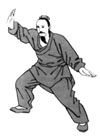
The movements in the solo Tai Chi form cause the Qi to circulate. A Tai Chi expert can feel the Qi circulate and after years of practice the circulation of Qi produces the movements. Thus, Tai Chi can be considered to be a form of Qigong according to the Qi definition of Qigong (1).
Even some beginners claim to feel Qi or some of its manifestations. However, often this is just the result of muscle tension restricting blood flow and brainwashing by the instructor. Initially, because beginners must concentrate on the postures and principals, their minds are too preoccupied to feel Qi. Electrical sensations in the back, legs and arms, may be an indication of multiple sclerosis (MS) and not an indication of Qi flow in vital energy channels (2). “The common form of Lhermitte’s sign, which occurs in about a third of multiple sclerosis (MS) patients, consists of a feeling of an electric current moving down the back to the legs on flexion of the neck. The spread of the sensation is usually downwards, terminating either at the lower end of the spine or passing down both legs. However, all four limbs may be affected or less frequently the arms alone. Even in the absence of any other symptoms or signs, Lhermitte’s sign is a strong indication of MS. In our patient electrical sensation compatible with Lhermitte’s sign occurred during bow stance (cervical extension) and push hand practicing (flexion). These positions represent the classical postures of flexion or extension that are associated with Lhermitte’s sign. They evoke, due to mechanical deformation of the cord impulses in demyelinated, sensory fibers.”
The first definition of Qigong is not suitable for research, since the exact nature of Qi is unknown. However, Tai Chi is a self-training technique or process that integrates the body posture, breathing, and mentality into oneness to achieve the optimal state for both body and mind. Thus, Tai Chi is a form of Qigong according to the second definition in (1).
3. Tai Chi for Relieving Stress
Sandlund and Norlander (3) reviewed more than 20 studies published from 1996to 1999 on the effects of Tai Chi on stress response and well-being and concluded that, although the slow-movement Tai Chi may not achieve aerobic fitness, it could enhance flexibility and overall psychological well-being. Tai Chi exercises led to an improvement of mood. The researchers concluded that all studies on the benefits of Tai Chi have revealed positive results and that Tai Chi was an effective way to reduce stress.
Wang, Collet, and Lau (4) reviewed general health outcomes of Tai Chi. Among the six studies they reviewed with psychological measures, five reported positive or significant effects of Tai Chi on reducing stress and anxiety. However, biases existed in some of the studies, and it was difficult to draw firm conclusions about the benefits reported. Therefore, more well-designed studies are needed in the future.
The review (5) states that the majority of studies on Tai Chi conducted between 1996 and 2004 had focused on health and well being of Tai Chi exercise for senior adults. The results show that Tai Chi may lead to improved balance, reduced fear of falling, increased strength, increased functional mobility, greater flexibility, and increased psychological well-being, sleep enhancement for sleep disturbed elderly individuals, and increased cardio functioning.
Jin (7) conducted one of the first studies to examine the effects of Tai Chi (new long Yang and Wu forms) on the endocrine system. Changes in psychological and physiological functioning following participation in Tai Chi were assessed for 33 beginners (8 months or less experience) and 33 practitioners (more than a year’s experience). The variables in the three-way factorial design were experience (beginners vs. practitioners), time (morning vs. afternoon vs. evening), and phase (before Tai Chi vs. during Tai Chi vs. after Tai Chi). Phase was a repeated measures variable. Relative to measures taken beforehand, practice of Tai Chi raised heart rate, increased noradrenaline excretion in urine, and decreased salivary cortisol concentration. Relative to baseline levels, subjects reported less tension, depression, anger, fatigue, confusion and state-anxiety, they felt more vigorous, and in general they had less total mood disturbance.
Heart rate for practitioners was higher than that for beginners. Jin attributes this effect to the lower stance and more controlled form of experienced practitioners.
The data suggest that Tai Chi results in gains that are comparable to those found with moderate exercise. There is need for research concerned with whether participation in Tai Chi has effects over and above those associated with physical exercise. A later paper by Jin (9) investigated this query.
The study (9) compares the stress-reducing attributes of Tai Chi to those of brisk walking, meditation, and sitting and reading. There was no difference in the magnitude of cortisol reduction between the Tai Chi group and the other three groups. Hence, an additive effect of the physical exercise component and the cognitive exercise component in the practice of Tai Chi is not evident.
4. Tai Chi for Stress-related Symptoms
Control of Hypertension
In Wang et al.’s recent review (4) of Tai Chi, four studies (two with randomized control) were discussed in terms of its effects on hypertension, and all of them reported that it significantly decreased blood pressure among hypertensive patients.
The results in (11) suggest that light activity and moderate intensity aerobic exercise have similar effects on BP in previously sedentary elderly individuals. If future trials with large sample size and a no-exercise control group confirm these results, promoting light intensity activity could have substantial public health benefits as a means to reduce BP.
This study (13) examined the effects of Tai Chi vs. aerobic exercise for victims of heart attacks, comparing them to a cardiac support group as control. Resting heart rate declined in the Tai Chi group, but curiously, not in the aerobics group in this study. Both the Tai Chi and aerobics groups showed a drop on systolic blood pressure, but only the Tai Chi group showed a drop in diastolic blood pressure.
Improvement of Cardiovascular Conditions
Wang et al. (4) reviewed 16 studies of Tai Chi in patients with cardiorespiratory conditions and reported that its regular practice will delay the decline of cardiorespiratory function in older adults and might be prescribed as a suitable exercise.
One of the few studies to focus on serious Tai Chi practitioners, mostly people in their 60′s, who had been practicing the new Yang Long form for 3-10 years, appears in (10). They practiced 3-7 times a week, with an average frequency of 5 times a week. A fairly rigorous practice: 20 minutes of warm-up exercises, 24 minutes of practicing the form paced by the Master, and 10 minutes of cool-down. This study compares these Tai Chi practitioners to a group of sedentary peers matched for age and body size, and looks at cardiorespiratory declines over a two-year period. It has some heart rate profiles that seem to indicate moderate aerobic benefit in older practitioners (this benefit has not been demonstrated in younger subjects).
In (12), changes in heart rate and electrocardiogram were recorded by telemetry in 100 volunteers who were regularly doing a Yang simplified (short) form. During the exercise, the change in heart rate was not very marked and no important electrocardiographic changes were recorded. Thus, it was speculated that the possible beneficial effect of Tai chi on the cardiovascular system cannot be attributed solely to the amount of exercise provided by Tai Chi and additional mechanisms must be sought. The author notes that “16 male and 10 female hypertensives reported a gradual normalization in blood pressure cutting the need for medication entirely or reducing the doses.”
The study (18) concluded that Tai Chi was a culturally appropriate mind-body exercise for older adults with cardiovascular risk disease factors. Statistically significant psychosocial benefits were observed over 12-weeks. Further research examining Tai Chi exercise using a randomized clinical trial design with an attention-control group may reduce potential confounding effects, while exploring potential mechanisms underlying the relaxation response associated with mind-body exercise. In addition, future studies with people with other chronic illnesses in all ethnic groups are recommended to determine if similar benefits can be achieved. The authors were unaware of an earlier study (19) on the beneficial effects of Tai chi for dialysis patients.
This research (21) compared the effects of a short style of Tai Chi versus a brisk walking training program on aerobic capacity, heart rate variability (HRV), strength, flexibility, balance. They found Tai Chi to be an effective way to improve many fitness measures in elderly women over a 3-month period It was also significantly better than brisk walking in enhancing certain measures of fitness, including lower extremity strength, balance and flexibility, psychological status, and quality of life.
Twenty patients with coronary heart disease were recruited for the study (28). Ten patients practiced supervised Tai Chi training once a week and home-based Tai Chi training three times a week, together with conventional cardiac rehabilitation for one year. The control group only received the conventional cardiac rehabilitation. The patients in the Tai Chi group showed statistically significant improvement in baroreflex sensitivity. The researchers concluded that Tai Chi training is beneficial in the treatment of coronary heart disease.
Reduction of Chronic Pain Syndrome and Arthritis Symptoms
Pain and fatigue significantly decreased in the experimental group in (14). However, the improvement in daily life performance of the rheumatoid arthritis patients was not statistically significant but their sense of balance was enhanced significantly.
Sun-style Tai Chi exercise (6) was found as beneficial for women with osteoarthritis to reduce their perceived arthritic symptoms and to healthier behavior.
In the short term study (15), the beneficial outcomes for Tai Chi group and aquatic group were significantly better than the self-help group. Tai Chi may be more suitable than aquatic exercise for osteoarthritis. Further longitudinal studies are necessary to confirm these results. Similar conclusions were reached in another study (16) comparing Tai Chi and an aquatic group for rheumatoid arthritis.
The results (17) suggest Tai Chi does not exacerbate symptoms of rheumatoid arthritis. In addition, Tai Chi has statistically significant benefits on lower extremity range of motion, in particular ankle range of motion, for people with RA. The included studies did not assess the effects on patient-reported pain.
The objective of this systematic review (25) is to evaluate data from controlled clinical trials testing the effectiveness of Tai Chi for treating rheumatoid arthritis (RA). Systematic searches were conducted on Medline, Pubmed, AMED, British Nursing Index, CINAHL, EMBASE, PsycInfo, The Cochrane Library 2007, Issue 1, the UK National Research Register and ClinicalTrials.gov, Korean medical databases, Qigong and Energy Medicine Database and Chinese databases up to January 2007.
Collectively this evidence is not convincing enough to suggest that Tai Chi is an effective treatment for RA. The value of Tai Chi for this indication therefore remains unproven.
Reduction of Anxiety and Depression
In (20), significant improvements in trait anxiety, pain perception, mood, flexibility, and balance were obtained. These may have a profound effect on the incidence of falls, injuries, resulting disability, and overall quality of life.
The study (22) aimed to assess the usefulness of two interventions in a group rehabilitation medicine setting and to determine strategies and exercise guidelines for long-term care of the HIV/AIDS population with human immunodeficiency virus (HIV) and/or acquired immunodeficiency syndrome (AIDS). It concluded that that Tai Chi and exercise improve physiologic parameters, functional outcomes, and quality of life. Group intervention provides a socialization context for management of chronic HIV disease. Further long and short term studies are required.
The effects on blood pressure, lipid profile, and anxiety status on subjects in a 12-week Tai Chi Chuan exercise program were studied (23). It concluded that Tai Chi exercise training could decrease blood pressure and results in favorable lipid profile changes and improve subjects’ anxiety status. Therefore, Tai Chi could be used as an alternative modality in treating patients with mild hypertension, with a promising economic effect.
Another paper on the beneficial effect of Tai Chi on depression in older individuals appears in (26).
Immunity
At rest the total number of T-lymphocytes and the number of active T-lymphocytes were increased significantly in the exercise group compared with the controls (8). Immediately after a bout of Tai Chi (88 style), a marked increase of active T-lymphocytes occurred. In conclusion, the results indicate that frequent Tai Chi exercise causes an increase of T-lymphocytes in the blood.
According to a new study (24), Tai Chi may help older adults avoid getting shingles by increasing immunity to varicella-zoster virus (VZV) and boosting the immune response to varicella vaccine in older adults. Tai Chi alone was found to increase participants’ immunity to varicella as much as the vaccine typically produces in 30- to 40-year-old adults, and Tai Chi combined with the vaccine produced a significantly higher level of immunity, about a 40 percent increase, over that produced by the vaccine alone. The study further showed that the Tai Chi group’s rate of increase in immunity over the course of the 25-week study was double that of the health education (control) group. The Tai Chi and health education groups’ VCV immunity had been similar when the study began. In addition, the Tai Chi group reported significant improvements in physical functioning, bodily pain, vitality and mental health. Both groups showed significant declines in the severity of depressive symptoms.
Previous studies have suggested that Tai Chi may improve immune function. This
study (27) was intended to examine whether 5 months of moderate Tai Chi and Qigong (TQ) practice could improve the immune response to influenza vaccine in older adults. It concluded that traditional TQ practice improves the antibody response to influenza vaccine in older adults. However, further study is needed to determine whether the enhanced response is sufficient to provide definitive protection from influenza infection.
References
1. Eisen, M., Qigong and Taiji application in stress management. Part 2: Qigong for stress, Qi Dao, Jan. – Feb., 2008.
2. Achiron, A., Barak, Y., Stern, Y., Noy, S. Electrical sensation during Tai-Chi practice as the first manifestation of multiple sclerosis,” Clinical Neurology and Neurosurgery, 99, 280-281, 1997.
3. Sandlund, E. S., & Norlander, T. The effects of Tai Chi Chuan relaxation and exercise on stress responses and well-being: An overview of research. International Journal of Stress Management,7(2), 139–149, April 2000.
4. Wang, C. C., Collet, J. P., & Lau, J. The effect of Tai Chi on health outcomes in patients with chronic conditions. Archive of Internal Medicine, 164, 493–501, 2004.
5. Kuramoto, A. M. Therapeutic benefits of Tai Chi exercise: research review. WMI, 6, 105(7), 42-6, Oct. 2006.
6. Song, R., Lee, E.O., Lam. P. Bae, S.C. Effects of a Sun-style Tai Chi exercise on arthritic symptoms, motivation and the performance of health behaviors in women with osteoarthritis. Taehan Kanho Hakhoe Chi, 37(2),249-56, March 2007.
7. Jin, P.. Changes in heart rate, noradrenaline, cortisol and mood during Tai Chi. Journal of Psychosomatic Research, Vol. 33, No. 2, 197-206, 1989.
8. Sun, X., Xu Y., Xia Y. Determination of E-rosette-forming lymphocytes in aged subjects with Taichiquan exercise. Int J Sports med, Vol.10, No 3, 217-219, 1989.
9. Jin, P. Efficacy of Tai Chi, brisk walking, meditation, and reading in reducing mental and emotional stress. Journal of Psychosomatic Research, Vol. 36, No. 4, 361-370, 1992.
10. Lai, J., Lan, C., Wong, M., and Teng, S. Two-year trends in cardiorespiratory function among older Tai Chi Chuan practitioners and sedentary subjects. Journal of the American Geriatric Society, Vol. 43: 1222-1227, 1995.
11. Young, D.R., Appel, L.J., Jee, S. The effects of aerobic exercise and T’ai Chi on blood pressure in the elderly,”, Circulation v. 97(#8), 54-P54, March 3, 1998.
12. Gong, L, Qian J., Zhang J., Yang Q., Jiang J., and Tao Q. Changes in heart rate and electrocardiogram during Taijiquan exercise; analysis by telemetry in 100 subjects. Chinese Medical Journal 94(9), 589-592, 1981.
13. Channer, K.S., Barrow, D., Barrow, R., Osborne, M., and Ives, G. Changes in haemodynamic parameters following Tai Chi Chuan and aerobic exercise in patients recovering from acute myocardial infarction. Postgraduate Medical Journal, 349-351, 1990.
14. Lee, K.Y. and Jeong, O. Y. The effect of Tai Chi movement in patients with rheumatoid arthritis. Taehan Kanho Hakhoe Chi, 36(2),278-85, 2006.
15. Lee, H.Y. Comparison of effects among Tai-Chi exercise, aquatic exercise, and a self-help program for patients with knee osteoarthritis. Taehan Kanho Hakhoe Chi, 36(3), 571-80, 2006.
16. Kirsteins, A.E.; Dietz, F.; Hwang, S.M. Evaluating the safety and potential use of a weight-bearing exercise, Tai-Chi Chuan, for rheumatoid arthritis patients. Am. J. Phys. Med. Rehabil., 70(3), 136-41, 1991.
17. Han, A., Robinson, V., Judd, M., Taixiang, W., Wells G.; Tugwell, P. Tai Chi for treating rheumatoid arthritis. Cochtane Database Syst. Rev., (3), CD004859, 2004.
18. Taylor-Piliae, R.E., Haskell, W.L., Waters, C.M.; Froelicher, E.S. J. Adv. Nurs., 54(3), 313-29, 2006.
19. Mustata, S., Cooper, L., Langrick, N., Simon, N., Jassal, S.V,; Oreopoulos, D.G. The effect of a Tai Chi exercise program on quality of life in patients on peritoneal dialysis: a pilot study. Perit. Dial. Int., 25(3), 291 – 4, 2005.
20. Ross, M.C., Bohannon, A.S., Davis, D.C.; Gurchiek, L. The effects of a short-term exercise program on movement, pain, and mood in the elderly. Results of a pilot study. J. Holist. Nurs., Jun;17(2):139-47, 1999.
21 Audette, J.F., Jin, Y.S. , Newcomer, R., Stein, L. Duncan G., Duncan, G.; frontera, W.R. Tai Chi versus brisk walking in elderly women. Age Aging. Jul;35(4),388-93, 2006.
22. Galantino, M.L., Shepard, K., Krafft, L., Laperriere, A., Ducette, J., Sorbello, A., Barnish, M., Condoluci, D.; Farrar JT. The effect of group aerobic exercise and t’ai chi on functional outcomes and quality of life for persons living with acquired immunodeficiency syndrome. J. Altern. Complement. Med. Dec;11(6),1085-9, 2005.
23. Tsai JC, Wang WH, Chan P, Lin LJ, Wang CH, Tomlinson B, Hsieh MH, Yang HY, Liu JC. The beneficial effects of Tai Chi Chuan on blood pressure and lipid profile and anxiety status in a randomized controlled trial. J Altern Complement Med. Oct;9(5):747-54, 2003.
24. Irwin, M.R., et al. Augmenting immune responses to varicella
zoster virus in older adults: A randomized, controlled trial of Tai Chi. Journal of the American Geriatrics Society, Volume 55,4, 511–517, April 2007.
25. Lee et al. Tai chi for rheumatoid arthritis: systematic review. Rheumatology (Oxford), Nov., 46(11),1648-51, 2007..
26. Chou, K.L., Lee, P.W., Yu, E.C., Macfarlane, D., Cheng, Y.H., Chan, S.S.; Chi, I. Effect of Tai Chi on depressive symptoms amongst Chinese older patients with depressive disorders: a randomized clinical trial. Int J Geriatr Psychiatry, Nov;19(11):1105-7, 2004.
27. Yang Y, et al. Effects of a Taiji and Qigong intervention on the antibody response to influenza vaccine in older adults. Am J Chin Med. 35(4), 597-607, 2007.
28. Sato, S., et al., Effect of Tai Chi training on baroreflex sensitivity and heart rate variability in patients with coronary heart disease. Int. Heart J., 51(4): 238-41, July 2010.


Monday, September 5, 2011

Tai Chi or Qigong: Which Should You Study?

Tai Chi has increased in popularity in the western world. It often appears in the background of advertisements of unrelated products. It is recommended for seniors and by the American Arthritis Society, which has its own simplified version. Many health clubs and martial arts studios offer Tai Chi classes. There is even a World Tai Chi Day.

Tai Chi is a Chinese art designed to protect oneself from unarmed and armed attacks and illnesses. It is both a martial art and a method for preventing and treating illnesses. Information about its history and concepts can be found in the article “Are You Really Learning Tai Chi and Is It Effective for Stress?” at yang-sheng.com/?p=1612.

Qigong, pronounced Chee Kung, is not as well-known as Tai Chi and is frequently given as an auxiliary exercise before or after doing Tai Chi. In Chinese “Gong” means work or hard task. Qi can be translated as life energy. Qigong is the task of learning to control the flow of Qi through your body by using breath, movement and meditation. It is a Chinese discipline that is at least 5000 years old.

The main divisions of modern Qigong (Chi Kung) are: Spiritual, Medical, Martial and Athletic depending on the main goal of the practitioner. However, there is an overlap between these branches.

Medical Qigong is a branch of Traditional Chinese Medicine (TCM). TCM postulates that health is the result of smooth Qi circulation, without accumulation or deficiency in any part of the body, while disease is the result of poor Qi circulation. Once the flow of Qi is balanced, the body tends to heal itself.

Here Qigong will be used to denote Medical Qigong for preventing and treating diseases and will not include Tai Chi, which is also a form of Qigong. More information about Qigong can be found in “What is Qigong” at www.selfgrowth.com/articles/Eisen1.html.

If you want to learn classical Tai Chi you must find a knowledgeable instructor. Many classes only offer shortened, altered forms that are supposed to be for health purposes only. Many of these so-called Tai Chi forms are not taught according to Tai Chi principles and are some sort of new-age dance. You can save money and probably get the same health benefits from slow walking and waving your arms. Even if you find an instructor that teaches a classical long form and you want to learn self-defense, investigate if 2-person Tai Chi martial art forms are taught and not self-defense based on Karate or some other martial art.

Many health benefits have been ascribed to the practice of Tai Chi. However, there are a few problems with these studies. The scientist conducting these studies may not be an expert in Tai Chi and so selects an incompetent teacher for the subjects. The form may have been altered by the instructor and so another teacher may not teach the same, exact form in another study. Sometimes the sample size is too small. If the subjects are required to practice at home some will be fanatic and others barely practice and accurate reports of practice times are difficult to obtain. Finally, Tai Chi, even shortened versions for health, require years of study before the subject is really doing Tai Chi. Hence, the studies should be called the effects of trying to learn Tai Chi. More long-term studies are required to verify the beneficial effects of Tai Chi.

Clinical trials have shown that Qigong is helpful in about 200 diseases, even more diseases than Tai Chi. There are many different forms of Qigong. Some are classical and others are made-up or modified by a teacher. The criticisms given above for Tai Chi research apply to Qigong research.

Learning Tai Chi takes self-discipline to practice daily and tenacity not to give up. Those who have studied arts, like dance or music, that require constant practice are more likely to succeed in learning Tai Chi. Tai Chi requires more coordination than some forms of Qigong. A good memory is also helpful. Nevertheless, learning Tai Chi only for health requires years of study.

Seniors interested in preventing or treating illnesses should consider learning Qigong rather than Tai Chi, especially if they have memory or coordination problems. There are health forms of Qigong that are much easier to learn. For example, a Qigong method for losing weight can be learned in about a minute. The hard part is to practice it before every meal.

For life threatening diseases use Qigong. You may die before you learn Tai Chi. Some hospitals have drop-in Qigong classes. Such classes are not useful for treating serious diseases. Usually, you are not informed that you must practice for hours every day. Find a specialist in medical Qigong who can give you a TCM type of diagnosis and construct an individualized Qigong protocol based on the diagnosis.

Even in China, it is difficult for patients to practice Qigong for hours. Patients join a social Qigong group or are placed in a hospital.

Friday, October 1, 2010

Are There Dangerous Qigong Teachers?

Unscrupulous Qigong teachers can be dangerous to your wealth, health, intellect and spirit.

Two examples of people donating large sums of money to organizations will be given. There are many other examples. The danger of these con men is their charm. They pretend to be your best friend, care about your welfare and “feel your pain”. Many victims, even after they know that they have been taken, still adore these con artists.

One well-known guru was driven around in a Rolls Royce. His followers donated money to him, while they lived in poverty in an ashram in Oregon. He did not impose a moral code on his followers and beatings were documented at the ashram. He died in prison.

Another famous story involves a prisoner who practiced breath control. Without being detected he could cause pages of a book to move by blowing. He pretended to be a born again Christian and converted many inmates by causing the pages of a bible to move and attributing this to the Holy Spirit. After being released, he opened a Kung Fu school and had a large following because of his mystical powers. He became famous and was even invited to Egypt to treat Anwar Sadat. One wealthy man had donated large sums of money to this charlatan and began to spend hours meditating in his room. His sister became suspicious and hired Randi the magician to investigate this martial artist. One of his tricks was to cause a dollar bill under a fish tank to move by blowing in a small space between the tank and the table. Randi distracted him and turned the tank so there was no longer any space between the tank and the table. The Kung Fu artist could not make the dollar bill move. Randi made it move by blowing in the crack, which now faced him. The martial artist thought Randi was a Master and wanted to study with him. This con artist also persuaded some of his students to get guns for him. He was arrested and jailed on a weapons charge. He escaped from jail and still at large. This story appeared in a popular Kung Fu magazine. Even though this con artist had been exposed, it was hinted that some of his powers were real.

Both sleep paralysis and narcolepsy can induce vivid hallucinations since the sufferer is “awake” in a REM sleep state. Some of these people can vividly describe being kidnapped by aliens and having operations performed on them. There are even marks where the instruments used in the procedures were inserted. One explanation of these marks is that these people are in a hypnotic state due to sleep paralysis or narcolepsy. The mind influences the body, which causes the marks to appear. Not many people believe these stories. However, millions of people believe Qigong Masters when they describe their travels in other dimensions, new forms of Qigong, extraordinary powers, etc. Two masters can have entirely different methods and interpretations of reality. Both claim millions of followers. Can they both be right, each have part of the truth or are they delusional? Do you believe that any Qigong system has millions of followers? Any Qigong teacher or long time practitioner will know that many students quit after a few lessons or don’t practice regularly. Are such students followers?

The danger of belonging to such a cult is that it dulls the intellect. Some people become mindless robots and accept everything at face value instead of using logic, science or proper statistical methods. For example, a common claim is that a Master can cure any disease. This fact has never been verified.

In spiritual Qigong most Masters warn their students not to use any esoteric powers that they gain – for example, don’t spend time treating sick people. Some reasons given are that one can be injured by the evil that is causing the disease or that you really can’t cure a sick person because it’s his karma to be sick. Such advice will keep a disciple on the spiritual path, but is not conducive to the development of science.

There are many example of Qigong masters in China and elsewhere who used fake photos, chemically treated paper which catches fire and other carnival tricks to impress their followers. Other phenomena can be explained using Physics or Physiology. For instance, to convince a student that he was injecting Qi, the Master would push hard on the student’s eyeballs. This would cause flashes of light, which were interpreted as Qi flow. Sometimes it was the students who used trickery to impress non-believers in the powers of their Master.

Improper and excessive practice of Qigong and meditation can cause psychoses. Such cases have been documented in a book on the Kundalini experience. Now there is even the medical term “Qigong psychotic reaction” listed in the diagnostic manual of the American Psychiatric Association. The dangers of excessive practice are also known in China. Dr. Zhang Tongling of Beijing Medical University found in a study of 145 people that fanatical Qigong practice could bring out latent psychiatric problems and cause hallucinations. She runs a clinic for obsessive Qigong practitioners.

Preoccupation with Qigong can also cause ardent practitioners to become dysfunctional and neglect necessary daily tasks or dull ambition so that one does not reach his full potential

Seizures can also result from improper or excessive practice of Qigong or meditation. These seizures become easier to induce with practice. Some Masters regard seizures as a form of religious ecstasy. This behavior should be investigated scientifically. It is more common in Indian meditation, since many teachers don’t emphasize putting the tongue on the roof of the mouth to connect the Du and Ren channels so that excess energy does not get stuck in the head.

Improper practice or the wrong kind of Qigong can cause many physical problems such as hair loss, dizziness, headaches, nausea, difficult breathing, etc. Concentrating on acupoints can lead to Qi stagnation and other problems. Improper breathing can raise or lower the blood pressure. Strenuous Qigong and low postures are contraindicated in pregnancy or during menstruation. People with arthritis or injured joints should not practice certain postures. Gentle movements are better than static movements for certain conditions such as hemorrhoids. Qigong that creates heat is not suitable for people who suffer from a hot, Yang condition such as inflammation. Improper posture can cause chronic pain in any part of the body.

The proper practice of Qigong can also cause problems for certain students. The teacher should warn the students of these problems and not prescribe that type of Qigong if the student doesn’t have the will power to resist temptations. For example certain forms of Qigong can increase one’s appetite for food and/ or sex.
Energetic problems such as deranged flow of Qi and blood, stagnation of Qi and blood. Leaking of genuine Qi and unchecked flow of pathogenic Qi can occur. A teacher should be able to recognize and treat such problems and any others which occur.

Claims of being able to treat diseases or producing spiritual enlightenment by projecting Qi or teaching people how to do this in a few lessons should be carefully investigated, especially if a large sum of money is demanded. Why don’t all the Master’s family or disciples have this power? Why aren’t they all in perfect health and enlightened. Another telltale sign of a charlatan is that they claim to treat every imaginable disease. Most legitimate Qigong practitioners would agree that acute diseases or emergencies should not be treated by Qigong. For example, beware of anyone who claims to treat dislocations or poisoning by Qigong.

Being treated by someone who just intuits your problem without physical contact can be dangerous. Patients with digestive problems, slipped disks etc. who were misdiagnosed by a local Qigong “Master” and not cured have come to our clinic for treatment. Some studies in China on this type of diagnosis have shown that it not reliable.

During lectures by Qigong Masters, there are people who exhibit spontaneous movements; others don’t. Some people claim to have been cured of diseases. Similar phenomena occur with Christian and Russian faith healers. Are they using Qi? Why doesn’t everyone move or be cured if the Master is so powerful? Studies in China have shown that there is no correlation between the movements of the patient and the Master. This seems logical because different people have different blockages to their Qi flow. The injected Qi breaking through these blockages probably causes the movement.

A large component of a legitimate healing at such an event may be belief. The mind can control the body. There are people with split personalities having one personality well while another has diabetes. An interesting experiment would be to publicize a non-healer as a Master and see how many people he could heal. These results could be compared to those obtained by a healer who is unknown to the audience.
Not all studies of treating animals and humans successfully by Qigong should be accepted. Some of these have been designed or analyzed inappropriately – for example the sample size is too small. People familiar with biological experiments know that some have been fudged. Even the results that seem legitimate need to be duplicated before they are accepted. The well-known biofeedback experiment in which rats learned to control the blood flow to their ears may negate the argument that animals can’t be brainwashed and Qigong is not a matter of belief for animal experiments.

Most authorities estimate that it can take years to teach someone to project Qi for healing purposes. Dr. Y. Omura devised a new method and taught some children to project healing Qi in less than a week. This method was not tried on adults, so it is not certain if it is faster than conventional training. According to the Taoist’s theory of aging, children should be able to learn Qi projection faster than adults. However, some of the children suffered side effects and he is no longer teaching this method. Dr. Omura also detected abnormalities in the meridians of practitioners of certain forms of Qigong. It is not known if these abnormalities are permanent or harmful in the long run. He also devised methods to avoid certain side effects of Qigong practice. However, some people think that some side effects are a way for the body to cure itself and should not be stopped. For example, the body may be discharging toxins. They eventually stop on their own with practice. The interested reader can find further details in Dr. Omura’s J. of Electroacupuncture.

Neither my teacher, Gin Foon Mark, nor I have ever met anyone that could push people without physical contact. Their technique works on their own students or others with a similar mind set who are suggestible or believe in such things. Most such Masters admit that they can’t push some people because they are not open to absorbing Qi properly and will only become ill. Masters of empty force estimate that they can push from 3 to 6 out of 10 people without contact. Some students of such teachers said that they don’t have to move but they just jump to show respect to their Master or because they feel his Qi and jump to rid themselves of this unpleasant sensation. The danger with this type of training is that some students believe that such techniques are good for self-defense. Even if such techniques worked on 9 out of 10 people you could be killed in a random encounter.

What is an empty force Master doing? If he is actually exerting a force, then he should be able to push a chair. So far no empty force Master has been able to do this. Another more plausible explanation is that his Qi contains some information, which influences some control system in the body, which in turn causes the movement. This is how a minute current can cause a crane to lift tremendous loads.

To test this last hypothesis is not simple. You must find subjects who are not familiar with Qi. They should have no idea what the experiment involves and should be placed behind a large screen so that they cannot see what the empty force Master is doing and when he is going to exert the force. The empty force Master should be instructed to push the subject in a randomly chosen direction, say North, West or East, by using a random number generator. Then, his successes and failures should be recorded in a few thousand trials and the results analyzed by a statistician.

Some teachers say you can learn Qigong from a video and it is safe, provided that you listen to your body and remember the motto “pain no gain”. The Qi will know where to go; so don’t force it. This is probably true for videos designed for general health maintenance. A person may even get good results from a bad video or book because he believes the person is an expert or because it is a mild form of exercise. The only danger is that the student may believe that he knows something when he doesn’t. For example, there are books on Qigong massage written by people who are ignorant of one or both of these topics. After reading such a book you will know hardly anything about either subject.

However, in some forms of Qigong, such as standing on the stake, unpleasant sensations and pain are quite common. You must have guidance on how to overcome these sensations. Man is distinguished from other animals by his intelligence. Thus, the ultimate authority should be your brain and not your feelings.

Remarks
1.  Some Masters claim to project external qigong during their lectures. One such lecture in the Shanghai Auditorium, which can hold more than 18,000 people, occurred on March 7, 1990. It is described in the Xinmin Evening Paper. During the six hour lecture many in the audience began to shout, laugh, cry and move about A young worker, Pan Jiangang, experienced heart palpitations, a flushed face, and sweated profusely. Eventually, he ran out frightened for his life. Guo Daiwu, an officer in the Industrial and Commercial Bureau, danced for joy in the stands. He began to spit white foam and died. Some people claimed to be cured of diseases.

Psychologists studied people who reacted strongly during the lecture. The results indicated that these people were childish, immature, and have hypochondriac and hysteric tendencies. It would seem that the reaction of the audience caused by listening to a Qigong Lecture is mainly due to psychological suggestions.
Meng Jikong, a leader of the Hengyang Acrobatic Troupe in Hunan province was not a Qigongist. He wanted to expose these fraudulent Qigong lectures. He billed himself as a super-qigongist and widely advertised that he was going to hold a Qigong Lecture using super Qigong to heal diseases. Over one thousand believers attended the meeting. Forty percent of the audience could not sit still and had all sorts of strange reactions. This is about the same proportion of the audience that exhibit reactions during a Qigong lecture by a so-called Master. After the lecture, Meng confessed that he did not study Qigong and could not project external Qi, but caused the people to move by suggestion.

2.  Beware of hospital or clinics that offer drop-in classes in Qigong once or twicw a week for helping treat diseases.  Such courses are almost useless unless they diagnose your problemin terms of Traditional Chinese Medicine and prescribe a Qigong program for your condition.  Research has shown tha Qigong is helpful in over 120 diseases, but must be performed daily for hours.

What is Qigong?

Is strenuous exercise necessary for health?

No. Good physical condition is required for competing athletes and does not insure good health. A trained athlete can have cancer and die from a heart attack. Arnold Schwarzenegger needs to have a heart valve replaced. Strenuous exercise produces toxins and free radicals, which can harm the body. Most people do not have enough time to train properly and so rapid movements can injure muscles and joints. Repetitive strain can lead to chronic injuries and disease. Slow, nonstrenuous Qigong can improve your health.

What is Qigong?

The main divisions of modern Qigong (Chi Kung) are: Spiritual, Medical, Martial and Athletic depending on the main goal of the practioner. However, there is an overlap between these branches.
Medical Qigong is a branch of Traditional Chinese Medicine (TCM). Qi can be translated as life energy. TCM postulates that health is the result of smooth Qi circulation, without accumulation or deficiency in any part of the body, while disease is the result of poor Qi circulation. Once the flow of Qi is balanced, the body tends to heal itself.

In Chinese “Gong” means work or hard task. Qigong is the task of learning to control the flow of Qi through your body by using breath, movement and meditation. Since you will be taught genuine Qigong, passed down from master to disciple, the only requirement for success is dedication and practice.

Why study Qigong?

Some reasons for studying Qigong are: stress relief, relaxation, mental improvement, preventing and self-healing of diseases, spiritual enlightenment, harmony with nature and developing esoteric powers. It is the key to inner power, stamina and resistance to injury in Chinese Martial Arts. Chinese athletes use it to reach peak performance levels. Qigong can increase longevity and improve the quality of life as one ages.

Another reason is to become a Qigong therapist. Diseases can be treated in two ways. The therapist can prescribe Qigong exercise for a particular disease or he can inject his Qi to treat the disease. In Chinese Qigong hospitals both methods are used simultaneously. A therapist should learn several different Qigong methods in order to treat different diseases and to accommodate patients.

Can athletes, couch potatoes or handicapped people benefit from Qigong?

Yes. They are easy to learn requiring very little coordination. They are suitable for the young, old, strong, weak, and infirm, because they can be practiced standing, seated or lying. No equipment, special clothing or partners are required. There is no restriction on the place or time of their performance.

There are dynamic Qigong exercises that will satisfy the most robust people. Athletes can use Qigong not only to improve their peak performance, but also to speed recovery from strenuous training and ameliorate deleterious effects such as lactic acid build up, free radicals etc.
Individual programs can be constructed to aid recovery from illness or injury. It is has been shown that Qigong plus other forms of therapy (western or TCM) works better than Qigong or therapy alone.

Is Qigong scientific?
Conferences on the scientific study of Qigong have been held in the U.S. and China. Qigong has been shown to improve respiration, induce the relaxation response, cause favorable changes in blood chemistry, and produce changes in EEG indicating improved mental states.

Clinical trials have shown the efficacy of Qigong in reducing stress, delaying aging effects, prolonging life, preventing illness and curing many chronic diseases including paralysis and cancer.

Does Qigong Have Anti-Aging Effects?

Yes. For example, one survey of aged practitioners revealed that they were in good health and appeared younger than a second group of non-practitioners. Their average blood pressure was normal and 93% had normal hearing and good memories. The non-practicing elders had a higher average blood pressure, 25% had hypertension, 50% had vision problems, 76% had hearing problems and 35% had lost their ability to work. After doing Qigong for 5 months, 52% of them recovered some of their working ability and made other physiological improvements.

When being treated by external Qi does the patient have to move or feel it to be cured?
No. Some people feel the effects of the Qi or move. Others do not feel anything and do not move. Both classes of people can benefit. Studies have shown that there is no correlation between the movements of the therapist and the patient.


Can a “Master” inject Qi and open all of your channels to give you powers or permanently improve your health?
Be suspicious of such a claim especially if the “Master” asks for a large sum of money. If you get a bowl of rice today you will feel good, but tomorrow you will feel hungry. The “gong” in Qigong stands for hard work. There is no royal road to learning. A standard recommendation is that you must practice 100 days in a row to obtain some benefit. If you miss one day you must start over, even if that day was the 99th.


How many forms of Qigong are there?
There are about 3000 different forms of Qigong. The different styles can be divided into three classes: medical, martial, and spiritual. These divisions overlap. However, to really become proficient in one branch you must specialize in that type of Qigong. For example, a spiritual practitioner can have developed tremendous amounts of Qi but can still be mediocre in applications to the martial arts.


Is Tai Chi a form of Qigong?
Yes. In the beginning Tai Chi seems to be a physical exercise. Later, with proper instruction, you will realize it is a form of Qigong. Each posture affects certain organs and can be used to heal diseases. After a long time you can feel the effects of your Qi during movements. There are also martial applications of Qi, since Tai Chi is a martial as well as as a healing art. Tai Chi is a very difficult form of Qigong to learn.